Piyush Goyal, EU Trade Commissioner Maros Sefcovic Discuss Key Issues Ahead of India–EU Trade Pact Talks
 PakkaHyderabadi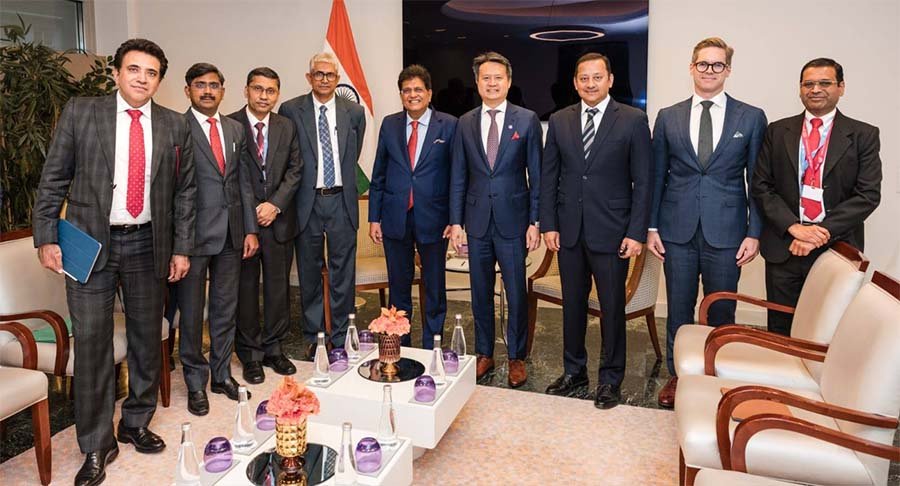
Commerce Minister Piyush Goyal met EU Trade Commissioner Maros Sefcovic to resolve pending issues in the India–EU Free Trade Agreement.
Commerce and Industry Minister Piyush Goyal on Wednesday held a crucial meeting with European Union (EU) Trade Commissioner Maros Sefcovic to address outstanding issues related to the ongoing negotiations for the India–EU Free Trade Agreement (FTA).
The talks come ahead of Goyal’s scheduled visit to Brussels next week, where negotiations are expected to intensify in an effort to push forward the long-pending trade deal that aims to boost bilateral trade, investments, and economic cooperation.
In a post on X (formerly Twitter), Goyal shared:
“Had a productive engagement focused on the positive resolution of the outstanding issues with respect to the India-EU FTA with Mr. @MarosSefcovic, EU Commissioner for Trade and Economic Security, ahead of my Brussels visit starting next week.”
FTA talks resume after decade-long pause
Negotiations for the India–EU FTA originally began in 2007 but were halted in 2013 due to differences over market access, tariffs, intellectual property rights, and mobility of professionals. Talks resumed in 2022 after a nine-year pause, with both sides expressing strong interest in boosting strategic and economic ties.
Key negotiation hurdles
According to officials familiar with the discussions, both sides are still working to resolve sensitive issues including:
- Tariff reductions on automobiles, wines and spirits
- Market access for Indian textiles, leather and IT services
- Data protection and digital trade regulations
- Rules on investment protection
- Environmental and sustainability clauses proposed by EU
Bilateral trade crossing $130 billion
Trade between India and the EU was valued at over $130 billion in 2024, making the EU one of India’s largest trading partners. The proposed FTA, officially known as the Broad-based Trade and Investment Agreement (BTIA), is expected to significantly increase export opportunities for India while strengthening cooperation in areas such as technology, clean energy, and supply chain resilience.
Strategic timing
Goyal’s upcoming Brussels visit is seen as an effort to fast-track negotiations amid growing global economic uncertainty and shifting supply chain dynamics. Analysts say both sides view the agreement as mutually beneficial in countering overdependence on China in global trade.