HYDRAA to Study Floodwater Diversion and Blockage Detection to Ease Ameerpet Flooding
 PakkaHyderabadi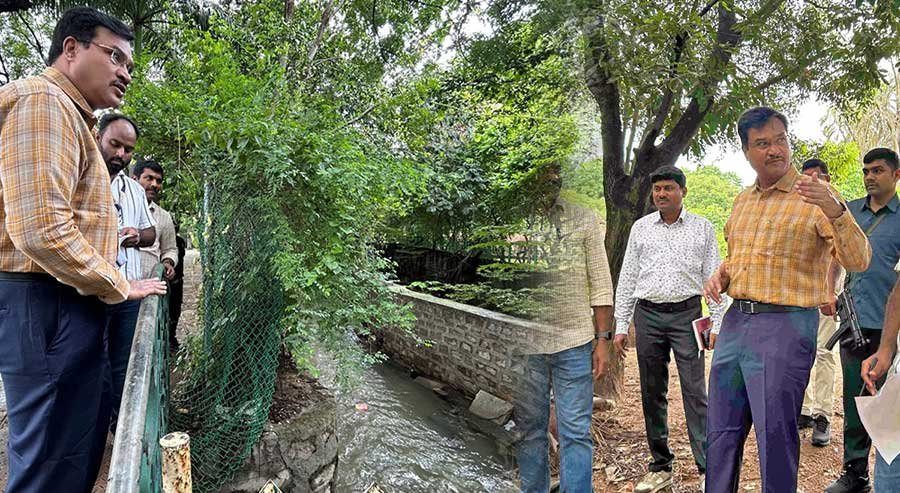
Scene of flooded Ameerpet area with stormwater drains and waterlogging issues addressed by HYDRAA.
The Hyderabad Disaster Response and Asset Protection Agency Development (HYDRAA) has announced a new study to explore the possibility of diverting floodwater from the Ameerpet area and nearby localities into the lake at Krishnakanth Park. The agency will also check for blockages in the underground pipelines along the main road from Ameerpet to Sanjeev Reddy Nagar by conducting a Ground Penetrating Radar Survey (GPRS). This comes after heavy rains caused flooding in Ameerpet, Maitrivanam, and surrounding spots, seriously affecting the daily lives of residents.
On Monday, HYDRAA Commissioner AV Ranganath personally visited the flooded areas to inspect the situation and review possible long-term solutions. He closely examined stormwater drains around Ameerpet Metro Station and Maitrivanam junction, as well as the lake and surrounding drains running through Jubilee Hills Road No. 10, Venkatagiri, Rehmat Nagar, and Yousufguda.
Officials noted that the Krishnakanth Park lake, which currently covers around seven acres, has the potential to expand to 12 acres. This expansion would allow the lake to temporarily hold about 120 million litres of rainwater during heavy showers before releasing it slowly downstream once the rains subside, helping reduce waterlogging.
Currently, water flows directly from Madhuranagar to Ameerpet, bypassing the lake, which leads to severe flooding under the metro station. Although a 1100-meter-long box drain connects Madhuranagar and the metro station, the flat terrain makes water movement difficult. Additionally, garbage and plastic waste clog the stormwater channels, slowing drainage. To solve these problems, the HYDRAA Commissioner has ordered the use of GPRS to locate soil deposits and pipeline blockages, aiming to improve the flow and prevent future floods.