Kuwait Blocks Roblox Citing Child Safety Concerns, Follows Regional Trend
 PakkaHyderabadi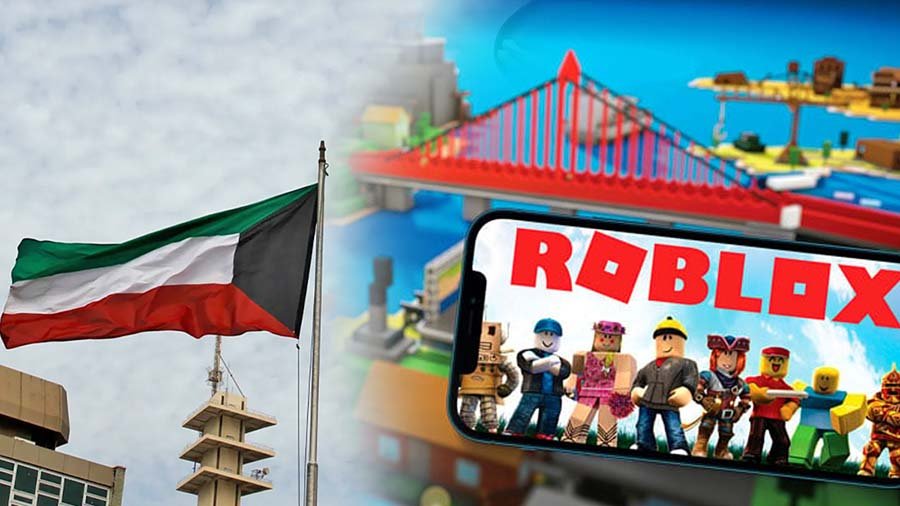
Kuwait imposes ban on popular Roblox platform due to child safety risks, joining regional countries in restricting online gaming.
Kuwait has officially blocked the popular online gaming platform Roblox, citing concerns about children’s safety. The move, announced by Kuwait’s Communications and Information Technology Regulatory Authority (CITRA) on August 21, is part of the country’s ongoing effort to safeguard users from digital risks. Authorities have responded to a rising number of complaints from parents and advocacy groups about unsafe content, harmful behaviours, and risky purchasing practices within the online platform.
CITRA explained that the block will remain until Roblox’s management agrees to stricter safety standards and demonstrates a commitment to removing any inappropriate or dangerous content. Kuwait’s case is not unique, as neighbouring countries Qatar and Oman have imposed similar restrictions based on child protection grounds. Other nations—including China, Turkey, and Jordan—have also banned Roblox to defend young users’ mental health and social growth.
Roblox, founded in 2004, allows users to create, play, and share virtual experiences with friends worldwide. The gaming platform has implemented several safety enhancements over the past year, such as introducing remote parental controls and limiting communication features for users under 13. These upgrades are meant to counter the risks of online exploitation and unsuitable interactions.
Despite its efforts, Roblox remains highly popular among children, boasting roughly 85 million global users, 40 percent of whom are reportedly under the age of 13. The platform’s engaging visuals and interactive multiplayer gameplay have contributed to its massive user base. However, experts continue to warn about threats such as blackmail, abuse, and dangerous online encounters, which may impact vulnerable young players.
The ban is expected to remain in effect until further negotiations between CITRA and Roblox lead to concrete assurances around child safety. This action sends a strong signal about the gravity of online risks and the importance of strict safety standards for digital platforms used by children. In the meantime, local authorities encourage parents to closely monitor their children’s digital activities and stay informed about emerging online dangers.