Aishwarya Rai Bachchan Moves Delhi High Court Seeking Protection of Personality Rights Against Unauthorized Use and AI-Generated Content
 PakkaHyderabadi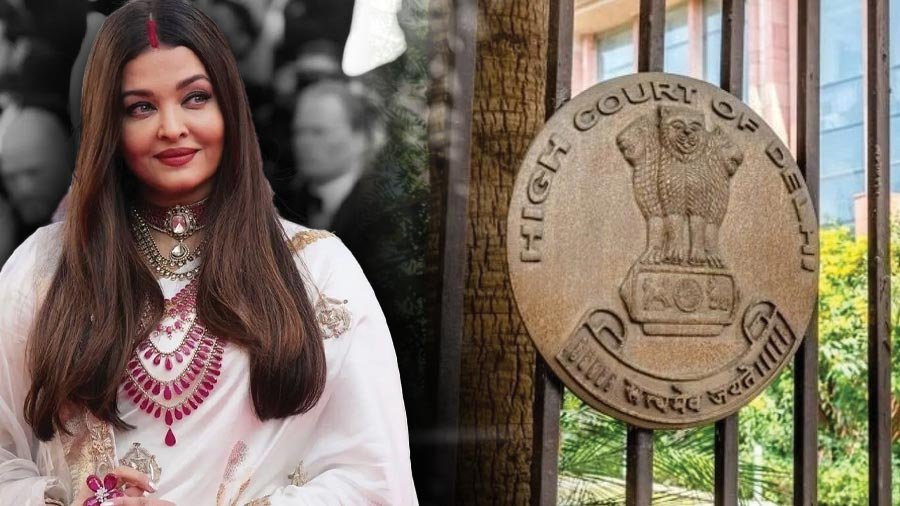
Aishwarya Rai Bachchan approaches Delhi High Court against unauthorized use of her name and image, highlighting issues of AI-generated and morphed content abuse
Bollywood actor Aishwarya Rai Bachchan has approached the Delhi High Court seeking protection of her personality rights, alleging unauthorized use of her name and image by rogue websites. The petition targets websites including aishwaryaworld.com, which falsely claim to be her official platform and are accused of publishing personal images and selling merchandise without authorization. Her legal team highlighted disturbing issues such as the use of her image in fraudulent schemes and AI-generated, morphed pornographic content aimed at defaming her.
The hearing, presided over by Justice Tejas Karia, was adjourned till January 2026, but the court signaled its intent to grant interim injunctions against infringing parties. Justice Karia noted that specific URLs would be targeted and orders passed individually against defendants, emphasizing broad prayers for relief. Rai’s advocate emphasized the violation of her dignity and privacy, describing the misuse as a direct assault through derogatory content and misleading commercial exploitation.
The plea also seeks directions for intermediaries like Google and YouTube to remove unlawful content and permits extending protection to unknown “John Doe” defendants who may host similar infringing material in future. This legal move builds on previous Delhi High Court rulings protecting similar rights for actors like Amitabh Bachchan, Anil Kapoor, and Jackie Shroff, recognizing personality rights under Article 21 of the Constitution as integral to dignity and privacy.
Personality rights in India safeguard an individual’s name, image, and voice from unauthorized commercial use, despite the absence of standalone legislation. Courts rely on constitutional protections and intellectual property laws such as the Trade Marks Act. While celebrities strongly defend these rights to prevent fraud and impersonation, legal experts caution that overbroad enforcement might conflict with creative expressions like satire and mimicry.
This case underscores growing challenges posed by digital misuse and AI-generated content, raising urgent calls for robust legal safeguards to protect public figures from reputational and financial harm in the digital age. The Delhi High Court is poised to set key precedents in balancing personality rights protection and freedom of expression.