Asaduddin Owaisi Criticizes US H-1B Policy, Urges Stronger Indian Foreign Policy
 PakkaHyderabadi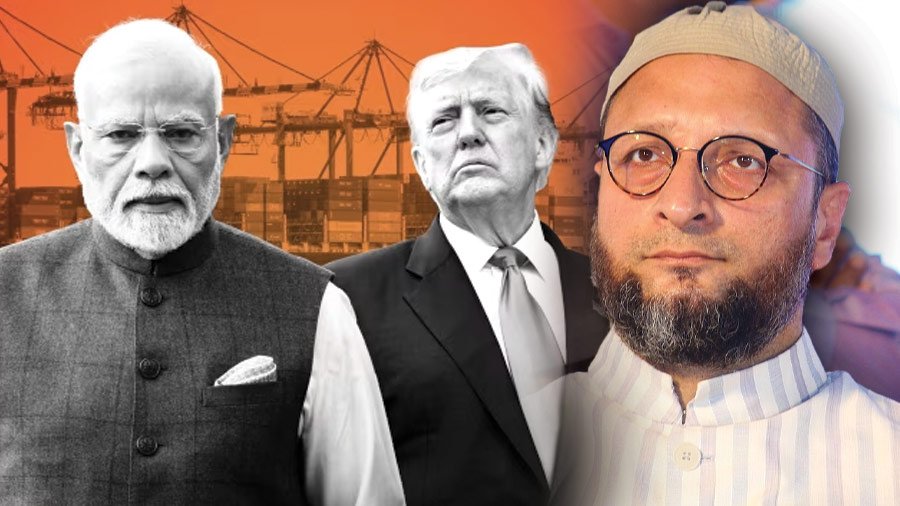
Hyderabad MP Asaduddin Owaisi expresses concerns over the US H-1B visa policy, calling it a major setback for Indian professionals and global mobility.
Hyderabad MP and AIMIM chief Asaduddin Owaisi has voiced strong concerns over recent changes in the US H-1B visa policy, calling it a major setback for Indian professionals. He stated that the revisions effectively end a system that had benefited millions of Indians, particularly from Telangana and Andhra Pradesh.
“The average annual salary for Indian H-1B holders is around $1,20,000, mostly in the tech sector. These earnings contribute significantly to India’s foreign exchange through remittances,” Owaisi said in a post on his X handle. He warned that the policy change could block intergenerational mobility among Indian professionals aspiring for global careers.
Owaisi acknowledged that US President Donald Trump implemented his agenda successfully but turned his criticism toward the Indian government. He questioned the practical impact of high-profile events like ‘Howdy Modi’ and ‘Namaste Trump’, arguing that gathering NRIs in stadiums did not translate into concrete foreign policy outcomes.
He asserted that the H-1B policy appears to specifically target Indian professionals, reflecting the government’s failure to safeguard India’s strategic and economic interests. According to him, such foreign policy missteps have real consequences for ordinary Indians who rely on opportunities abroad.
The MP also pointed to other tensions in India-US relations, including tariffs on Indian goods and agreements involving Pakistan. He highlighted India’s vulnerable position in a complex global and regional environment, emphasizing that diplomatic miscalculations could have long-term repercussions.
Owaisi suggested that India should intensify dedollarization efforts with over 18 countries, including Qatar and ASEAN nations, to reduce dependency on the US dollar and strengthen economic resilience. He argued that this step is crucial to protecting India’s national interests and future growth.
Concluding his remarks, Owaisi lamented that national security and foreign policy have been reduced to political optics, resulting in what he termed a “lost decade from 2014 to 2024.” He stressed that such failures primarily harm ordinary citizens who miss out on global opportunities and economic mobility.