
China’s Public Toilets Now Dispense Toilet Paper Only After Users Watch Ads, Angering Citizens
 PakkaHyderabadi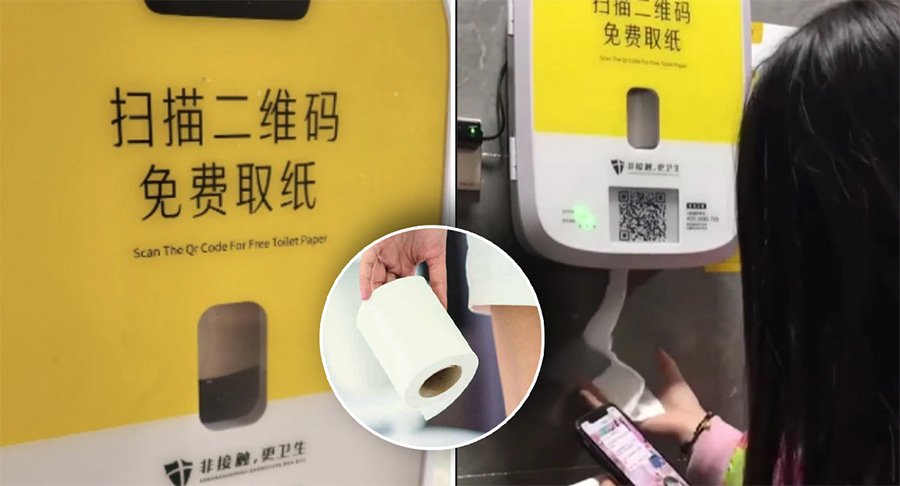
Public restrooms in China introduce QR code-based dispensers requiring users to watch ads before receiving toilet paper, fueling social media debate
A new system in some public restrooms in China has drawn criticism online after videos showed toilet paper is now dispensed only if users first watch an advertisement. The dispensers require people to scan a QR code on their phone and view a short commercial before releasing a set amount of toilet paper.
Those who prefer not to wait can skip the ad by paying a small fee of 0.5 RMB (about ₹5). Authorities say this system is meant to prevent wastage after repeated cases of people taking excessive amounts of toilet paper from public facilities.
However, many social media users have called the idea “dystopian,” raising questions about its practicality and hygiene. Critics note that people without internet access, a charged phone, or spare change could be left helpless in emergency situations.
Some argue that rather than conserving resources, such measures could cause embarrassment and inconvenience, especially for those in urgent need. Hygiene concerns have also been raised regarding the requirement to use phones inside restrooms.
This is not China’s first effort to limit bathroom supply misuse. In 2017, facial recognition machines were installed at Beijing’s Temple of Heaven park, rationing the toilet paper and requiring a nine-minute wait before dispensing more to the same person.
While officials claim these measures help prevent misuse, many locals say they would rather carry their own tissues than face restrictions and delays inside public toilets.