China Extends Support to India in Fight Against Terror at Modi-Xi Summit
 PakkaHyderabadi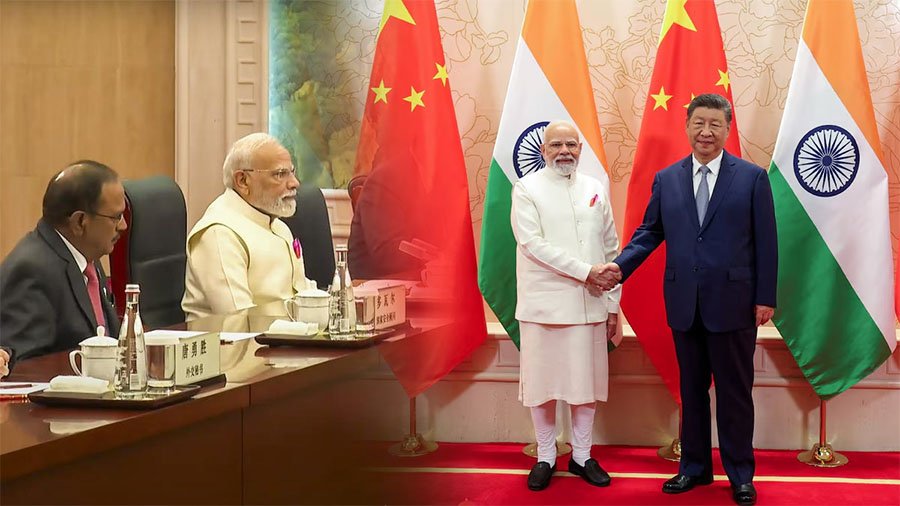
PM Modi and President Xi Jinping at the India-China summit where China pledged support for fighting terrorism
China Extends Support to India Against Terror
During the bilateral summit between Prime Minister Narendra Modi and Chinese President Xi Jinping, China extended support to India in combating terrorism. The discussions, as detailed by Foreign Secretary Vikram Misri, included India’s concerns over cross-border terrorism and both countries’ shared vulnerabilities. Modi highlighted that India and China are both victims of terrorism and emphasized the importance of mutual understanding and support on this critical issue.
Bilateral Relations Reset Amid US Tariffs
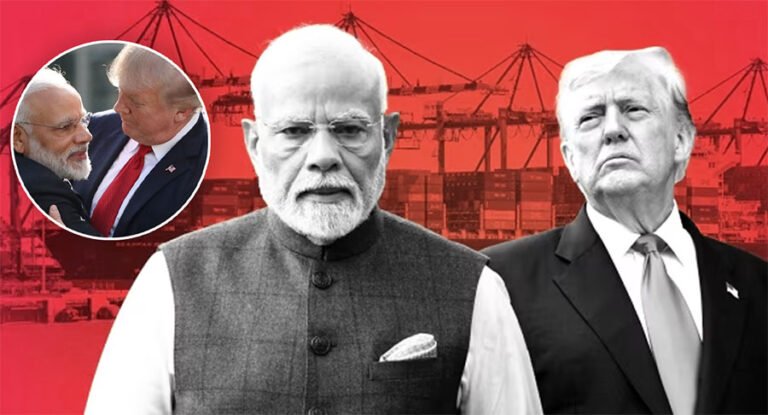
The summit comes amid ongoing economic tensions with the US, particularly over tariff hikes and India’s purchase of Russian oil. Modi and Xi exchanged views on expanding trade, maintaining peace at the border, and strengthening people-to-people ties. Both leaders emphasized that India and China, as global players with strategic autonomy, should maintain bilateral relations independent of third-party influences.
Evolving Approach to Terrorism
China’s position on terrorism has evolved in recent years, especially with rising concerns about Islamic terrorist threats in Xinjiang and the safety of Chinese nationals overseas. The two nations discussed these threats in the context of the Shanghai Cooperation Organisation (SCO) summit, recognizing the need for enhanced cooperation. In past joint statements, China’s reluctance to cite specific incidents such as the Pahalgam attack created diplomatic friction, but recent conversations indicate a shift towards greater unanimity on fighting terror.
Looking Ahead: SCO Summit and Regional Cooperation
At the upcoming SCO Summit, PM Modi is scheduled for his first face-to-face meeting with Pakistan’s Prime Minister Shahbaz Sharif since the Pahalgam terror attack, highlighting the importance of regional dialogue. Both India and China agree on expanding common ground to address major challenges—terrorism, regional security, and economic stability—signaling a reset and cooperative momentum in their bilateral relations.