Tensions Rise as Iran Warns: “War Could Escalate at Any Moment” with Israel
 PakkaHyderabadi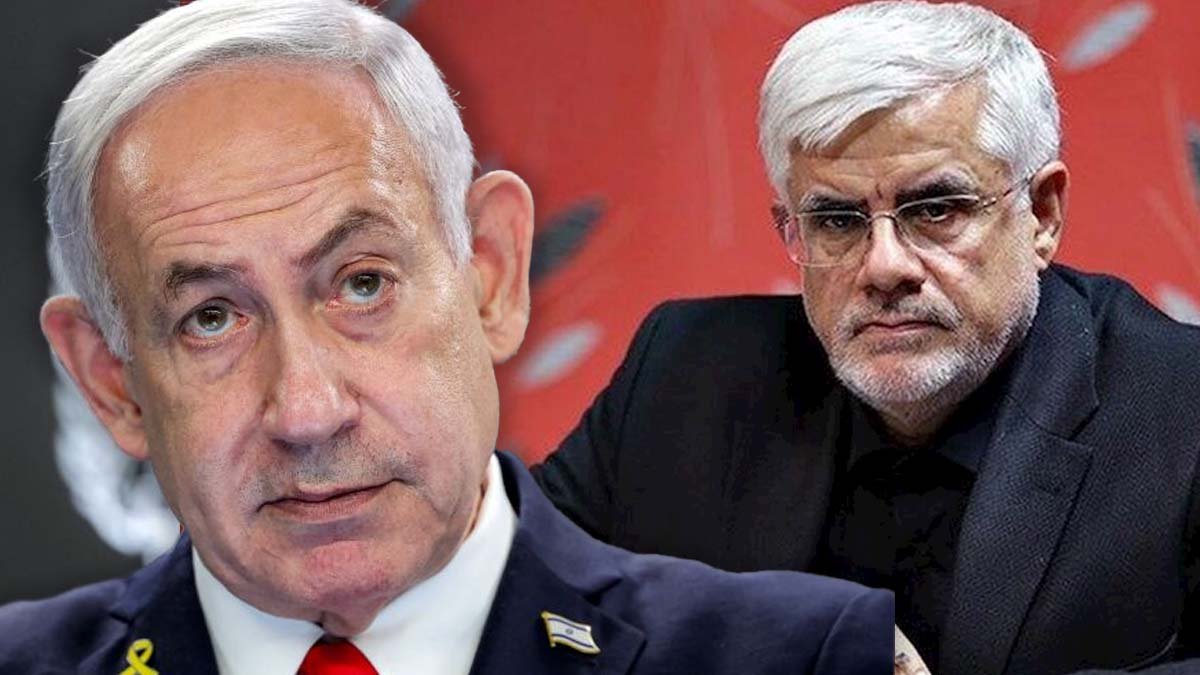
Tense situation between Iran and Israel amid fragile suspension of hostilities and escalating nuclear concerns.
First Vice President Mohammad Reza Aref has urged vigilance, stating that the situation between Iran and Israel is not a formal ceasefire but a temporary suspension of hostilities that could collapse at any moment. The June conflict saw Israel launching airstrikes on Iranian nuclear facilities, military bases, and civilian areas, killing over 1,000 people, including key commanders and nuclear scientists. Iran retaliated with missile and drone attacks, causing casualties in Israel.
The United States intervened on June 24, announcing a pause in fighting two days after striking Iranian nuclear sites. However, no formal ceasefire agreement was reached. Yahya Rahim Safavi, a military adviser to Iran’s Supreme Leader Ayatollah Ali Khamenei, recently emphasized that Iran remains in a state of war with no formal agreements or understanding with Israel or the U.S., warning that the cessation of attacks may end abruptly.
Western countries accuse Iran of seeking nuclear weapons through its atomic programme, which Tehran denies. Israel and the U.S. have threatened further strikes if Iran attempts to resume nuclear enrichment activities. Meanwhile, the UN nuclear watchdog reports Iran enriches uranium up to 60%, nearing weapons-grade levels. In response, Britain, France, and Germany—the 2015 nuclear deal signatories—have warned about reimposing sanctions, while Iran has signalled possible withdrawal from the nuclear non-proliferation treaty, raising concerns about regional stability and nuclear proliferation.