NBDSA Pulls Up Zee News and Times Now Navbharat for Islamophobic ‘Mehendi Jihad’ and ‘Love Jihad’ Reports
 PakkaHyderabadi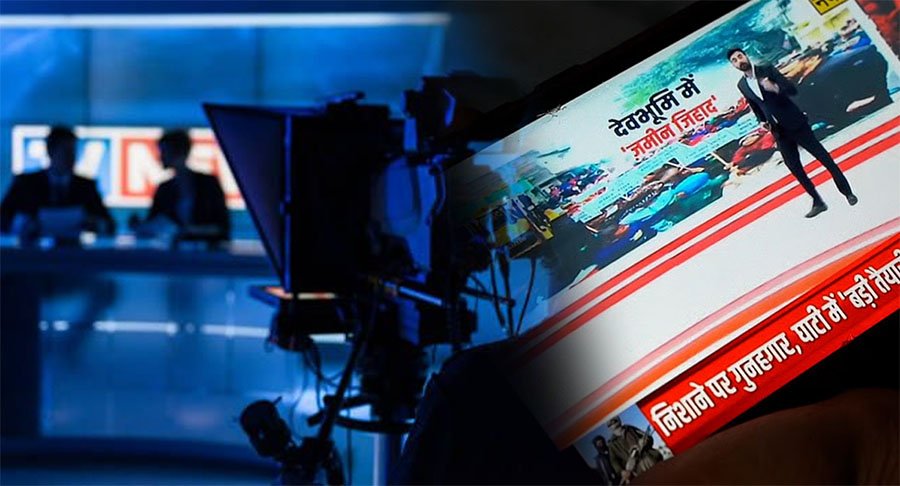
NBDSA reprimands Zee News and Times Now Navbharat for spreading Islamophobic narratives through ‘Mehendi Jihad’ and ‘Love Jihad’ reports, citing violations of media ethics.
The News Broadcasting & Digital Standards Authority (NBDSA) has issued strong orders against mainstream channels Zee News and Times Now Navbharat for their Islamophobic reporting, including conspiracies such as ‘mehendi jihad’ and ‘love jihad’.
The media watchdog stated that both channels had violated the Code of Ethics for news broadcasting and engaged in “communal and misleading reporting.” The order came in response to a complaint filed last year by journalist and media researcher Indrajeet Ghorpade, who accused the channels of spreading hate against India’s Muslim community through sensationalist and fabricated coverage.
Zee News Accused of Spreading ‘Mehendi Jihad’ Conspiracy
Zee News aired multiple segments alleging that Muslim men posing as henna artists spat on mehendi applied to Hindu women, linking it to forced conversions. The channel promoted inflammatory hashtags and headlines such as “Mehendi Jihad par de dana-dan” and “Lathi se lais rahenge, jihadiyon ko rokenge.”
NBDSA noted that the reporting encouraged hostility toward Muslims, vilified an entire community, and lacked credible evidence. The panel ruled that such programming violated journalistic standards of fairness, accuracy, and non-discrimination.
Times Now Navbharat’s ‘Love Jihad’ Coverage Under Fire
NBDSA also found Times Now Navbharat guilty of breaching ethical norms in its coverage of a so-called ‘love jihad’ case from Bareilly, Uttar Pradesh. The channel had broadcast a full segment accusing a Muslim man, Mohammad Aalim, of deceiving a Hindu woman into religious conversion — even though the woman later testified in court that her statement was coerced by her parents and right-wing groups.
Instead of highlighting this crucial revelation, the channel aired provocative tickers such as “UP mein Love Jihad, toolkit Pakistan” and “Jhuthe naam ka afsana, maqsad Musalman banana.” NBDSA ruled that this omission was deliberate and amounted to spreading communal misinformation.
Channels Ordered to Delete Videos, No Monetary Penalty
While the NBDSA directed both Zee News and Times Now Navbharat to delete the objectionable videos, it refrained from imposing any fines. The authority has the power to levy penalties ranging from ₹2 lakh to ₹25 lakh.
Ghorpade, the complainant, criticised the decision as inadequate. “These cases reveal how the self-regulatory system continues to fail in holding powerful media houses accountable for communal propaganda,” he said in a statement.
Supreme Court Guidelines on Hate Speech and Media Conduct
The NBDSA order also comes in the wake of repeated Supreme Court observations on hate speech and communal bias in television news. In earlier rulings, the apex court directed broadcasters to ensure that debates and reports do not promote hatred or target religious groups.
In October 2022, the court explicitly said that anchors have a duty to stop guests from making inflammatory remarks, and that TV channels bear responsibility for the tone and content of their programs. Despite these judicial directions, self-regulation among major news outlets has remained largely ineffective.
Growing Calls for Stronger Media Accountability
Media experts and civil rights groups have urged the NBDSA to adopt stricter enforcement mechanisms. They argue that token reprimands without financial penalties only embolden networks to continue airing divisive narratives.
Advocates have suggested empowering statutory bodies like the Press Council of India or creating an independent media accountability commission to handle cases involving hate speech and disinformation more effectively.