JD Vance Rebukes Israeli Critics Of US-Iran Deal, Says “You Cannot Kill Your Way Out”
 PakkaHyderabadi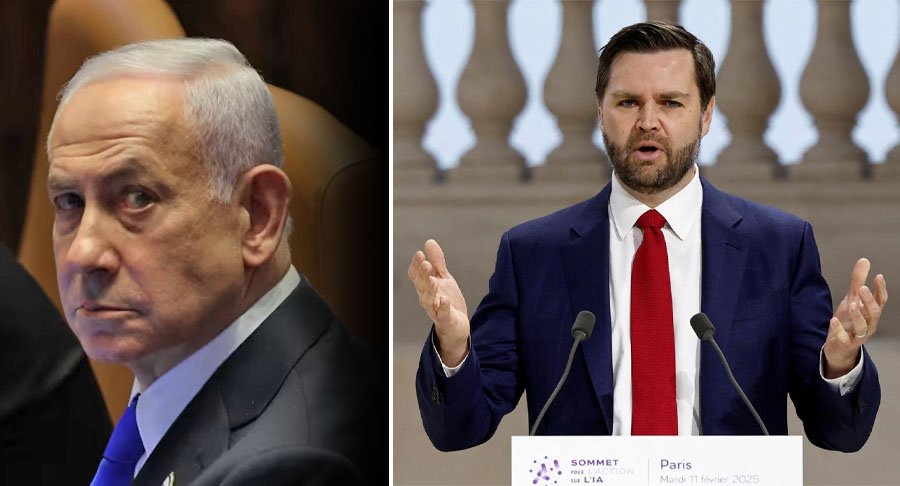
JD Vance has defended the US-Iran agreement and urged critics to consider diplomatic solutions alongside security measures.
Trump Administration Backs Diplomacy As Iran Deal Faces Backlash
US Vice President JD Vance has strongly defended the recent US-Iran peace agreement, pushing back against criticism from some Israeli leaders who oppose the deal. In a widely discussed interview, Vance argued that military force alone cannot solve every national security challenge and urged critics to consider diplomatic solutions alongside security measures.
Speaking about the concerns raised by Israeli hardliners, Vance said that a country cannot simply “kill its way out” of every problem. His remarks were seen as a direct response to Israeli National Security Minister Itamar Ben-Gvir and Finance Minister Bezalel Smotrich, both of whom have criticized the US-Iran agreement and expressed concerns about its impact on Israel’s security.
The comments highlight growing differences between Washington and some members of the Israeli government over how to deal with Iran. While the Trump administration believes diplomacy offers the best chance to prevent further conflict, critics argue that the agreement does not go far enough in addressing Iran’s missile capabilities and regional influence.
What Did JD Vance Say?
During the interview, Vance questioned what alternative critics were offering and argued that military action alone cannot guarantee long-term security. He stressed that sustainable peace requires political and diplomatic solutions in addition to defense measures.
He also reminded Israeli leaders that the United States remains Israel’s most important strategic partner and emphasized the extensive American support provided to the country over the years.
Why Are Some Israeli Leaders Opposing The Deal?
Several Israeli officials believe the agreement does not sufficiently address Iran’s missile program or permanently dismantle its nuclear capabilities. Critics fear that easing tensions without stricter conditions could allow Tehran to strengthen its position in the region.
Israeli hardliners have argued that stronger pressure should be maintained on Iran rather than pursuing concessions through negotiations.
What Is The Trump Administration’s Position?
The Trump administration has defended the agreement as a practical step toward reducing tensions in the Middle East. According to US officials, the framework is built around three key goals:
- Preventing Iran from developing nuclear weapons
- Keeping the Strait of Hormuz open for international shipping
- Linking economic incentives and sanctions relief to Iranian compliance with agreed conditions
President Donald Trump has also encouraged all parties to respect the ceasefire and continue negotiations aimed at achieving a broader and more permanent agreement.
Why This Matters
Vance’s unusually direct criticism of Israeli hardliners has attracted international attention because it reflects a rare public disagreement between senior US officials and members of the Israeli government. Analysts believe the debate could influence the future of US-Iran negotiations and shape diplomatic efforts across the Middle East in the coming months.